Why Abandoned Property Is Not Always Legally Ownerless
- by Shelton Reynolds
- 1 day ago
- 0 comments
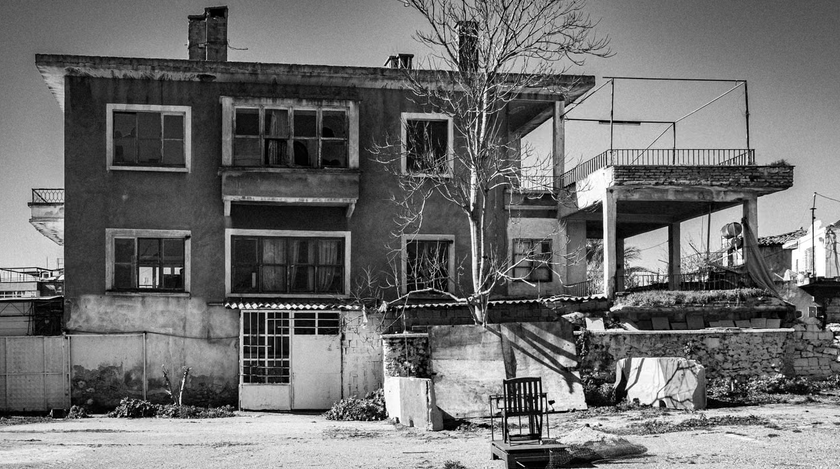
Property that appears abandoned does not necessarily lose its legal owner. An empty building, an unused vehicle, or belongings left in a public place may look unwanted, but their physical condition does not end ownership. Legal ownership generally continues until a recognized legal process or event changes it. A property owner may temporarily leave an asset unused, become unable to maintain it, or lose contact with its location without giving up their rights. The distinction between apparent abandonment and legally relinquished ownership is therefore important when determining who may control or claim an asset.
Why Intent Can Matter When Property Is Left Behind
In some legal systems, abandonment involves more than simply leaving property unattended. The owner’s intention to relinquish their rights can be a relevant factor, alongside their actions and the circumstances surrounding the property. For example, leaving furniture beside a road for collection may indicate an intention to discard it, while leaving tools at a construction site may reflect ongoing work. Similar outward appearances can therefore have different meanings. Determining whether property has truly been abandoned may require examining the surrounding facts rather than relying on its location or condition alone.
How Different Property Types Follow Different Rules
The legal treatment of abandoned property depends on what it is and where it is found. Different legal rules may govern lost personal belongings, discarded household items, unoccupied land, abandoned vehicles, and property left by a deceased person. Land ownership, in particular, often involves formal records and procedures that distinguish an unused parcel from land whose ownership has legally changed. Items found in rented buildings or workplaces may also be subject to contractual obligations or specific statutory requirements. Consequently, one general assumption about abandonment cannot reliably determine the legal status of every type of property.
Why Public Authorities May Become Involved

Government agencies and other authorized bodies may have responsibilities when property remains unattended for an extended period. Depending on the jurisdiction, procedures may exist for handling unclaimed belongings, removing vehicles, managing estates, or addressing land that has been left unused. These procedures can involve notices, waiting periods, registration requirements, or opportunities for an owner to reclaim the property. Such processes help distinguish between genuinely unclaimed property and property whose owner retains legal rights. The involvement of an authority does not necessarily mean ownership transfers immediately or automatically.
How Possession Can Differ From Ownership
Finding or physically controlling an item does not automatically establish a legal right to own it. A person who discovers an unattended object may possess it without acquiring ownership, especially when the original owner can still be identified. Some jurisdictions recognize specific rules for lost or abandoned goods, while others impose duties on people who find certain types of property. Likewise, occupying unused land does not automatically make someone its lawful owner. The relationship between possession and ownership depends on the applicable legal framework and how control was obtained.
Abandoned property is not always legally ownerless because physical neglect and legal ownership are separate matters. An asset may remain unused, unoccupied, or unattended while its owner continues to hold enforceable rights. The owner’s intention, the type of property, applicable legal procedures, and the circumstances of possession can all influence its status. Although some property can eventually become legally available to others, that outcome generally depends on the relevant rules rather than appearance alone. Understanding this distinction helps explain why apparently abandoned assets cannot always be claimed simply because nobody seems to be using them.